
frosted glass use
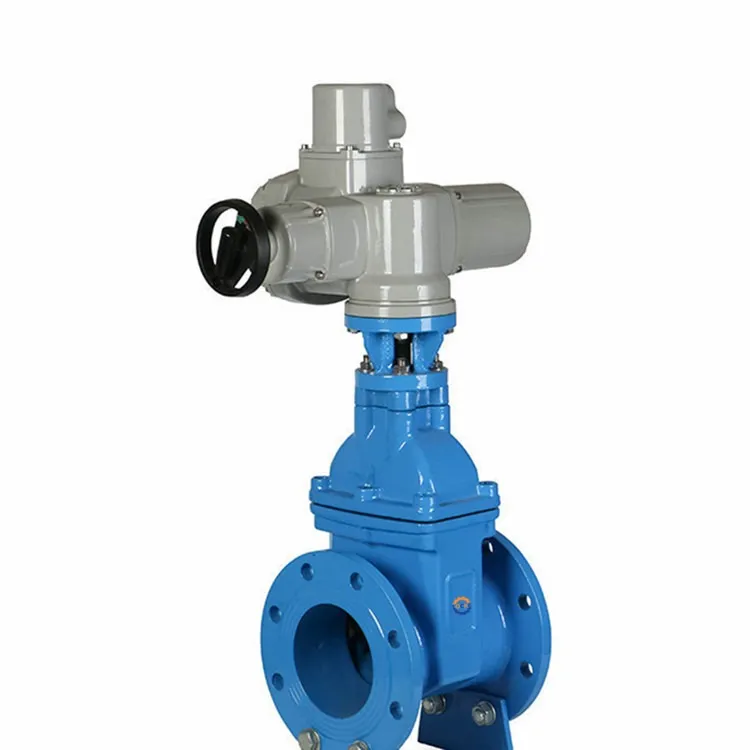
In various fluid control applications, understanding the differences and functionalities of valves is crucial. This guide explores the essentials of gate valve & globe valve , along with specific types like gate valve 1 1/4 inch and gate valve 150 mm . Understanding Gate Valve & Globe Valve The comparison between gate valve & globe valve begins with their core functions. A gate valve is primarily designed for on/off control, allowing for unrestricted flow when fully open. In contrast, a globe valve excels in regulating flow, providing precise control over liquid movement. This fundamental difference makes each type suitable for distinct applications, ensuring optimal performance in various systems. Benefits of the Gate Valve 1 1/4 Inch The gate valve 1 1/4 inch is an ideal choice for smaller residential plumbing systems. Its compact size allows for easy installation in tight spaces, making it versatile for various applications. This valve effectively shuts off water flow with minimal resistance when fully opened, ensuring efficient operation in household plumbing, irrigation, and similar settings. Its reliability and straightforward functionality make it a preferred option for homeowners and plumbers alike. Advantages of Using Gate Valve 150 mm For larger industrial applications, the gate valve 150 mm stands out as an excellent choice. Designed to handle higher flow rates, this valve is commonly used in municipal water systems, chemical processing, and other industrial environments. The gate valve 150 mm enables quick isolation of sections within a pipeline, which is critical during maintenance or emergencies. Its robust construction ensures longevity and performance even under significant pressure, making it a trusted option for large-scale operations. Choosing the Right Valve Size When selecting between a gate valve 1 1/4 inch and a gate valve 150 mm , the size of your system and specific requirements play a vital role. For smaller applications, the gate valve 1 1/4 inch provides efficient flow control without overwhelming the system. However, in larger industrial setups where high flow is necessary, the gate valve 150 mm is essential to maintain performance and safety. Understanding your system's needs is key to making an informed decision. In summary, recognizing the differences between gate valve & globe valve and understanding the specific applications of the gate valve 1 1/4 inch and gate valve 150 mm can significantly enhance your fluid control system. Each valve type has unique advantages tailored to different operational requirements. By choosing the appropriate valve for your needs, you can ensure optimal efficiency and reliability in your plumbing or industrial applications.
about
frosted glass use
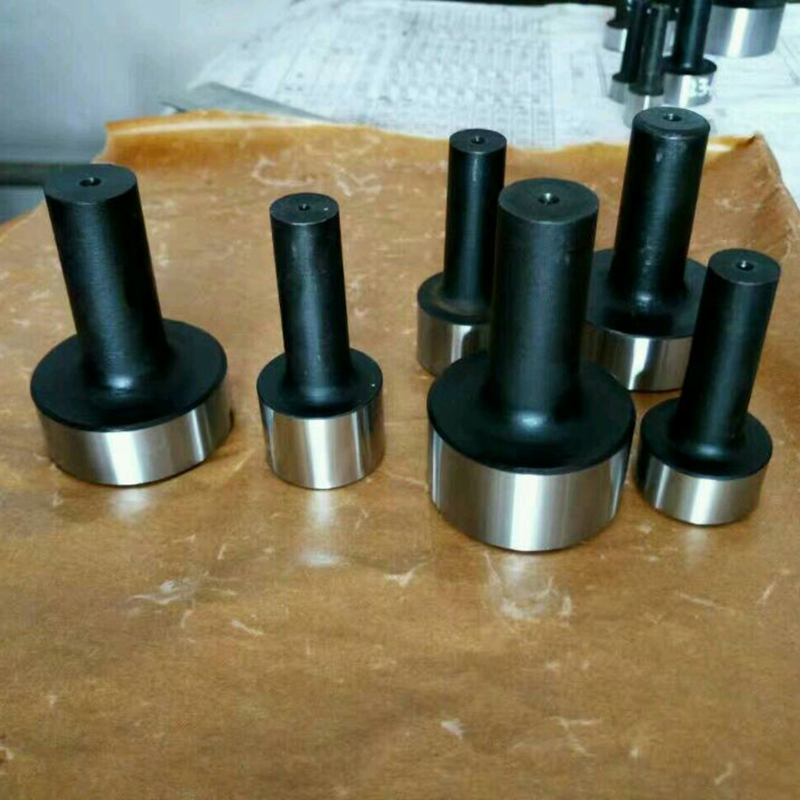
Understanding the Dial Snap Gauge A Key Tool in Precision Engineering In the realm of precision engineering, accuracy and reliability are paramount. One tool that stands out for its effectiveness in measuring dimensions is the dial snap gauge. This instrument is particularly favored in manufacturing and mechanical engineering sectors where precise measurements can significantly influence the quality of the final product. What is a Dial Snap Gauge? A dial snap gauge, also known simply as a snap gauge or a dial gauge, is a mechanical tool designed to measure the external dimensions of objects with a high degree of precision. The device consists of a dial indicator mounted on a rigid frame, which has two contact points or measuring jaws. When the object is placed between these jaws and pressure is applied, the gauge measures the distance between the jaws, providing a direct readout on the dial. Components and Mechanics The typical construction of a dial snap gauge includes several key components 1. Dial Indicator This is the primary measurement display, usually calibrated in millimeters or inches. The dial shows the measurements on a rotating scale, which allows for easy reading of results. 2. Measuring Jaws These are the parts that come into contact with the object being measured. Depending on the specific type of snap gauge, the jaws can be flat or tapered, designed for different kinds of profiles. 3. Frame The rigid body of the gauge ensures stability during measurement, preventing any flex that could introduce error. 4. Adjustable Stop Many dial snap gauges come with an adjustable stop mechanism, allowing users to set a specific limit for measuring objects of varying sizes. How to Use a Dial Snap Gauge Using a dial snap gauge is straightforward but requires attention to detail to ensure accurate measurements dial snap gauge 1. Initialization Begin by checking the gauge for zero alignment. Ensure that the jaws are closed together, and the dial reads zero. If it does not, adjustments should be made. 2. Measuring an Object Open the jaws and place the object between them. Close the jaws until they make gentle contact with the object. It is crucial to apply uniform pressure to avoid distorting the measurement. 3. Reading the Measurement Once the jaws are in contact with the object, read the value directly from the dial. It’s important to take note of any parallax errors by ensuring your eye is level with the dial indicator's pointer. 4. Recording Results For precise applications, it’s a good practice to document the readings immediately. This helps in maintaining a consistent record for quality assurance. Advantages of Using Dial Snap Gauges One of the significant advantages of dial snap gauges is their simplicity and ease of use. Users do not require extensive training or advanced technical skills to operate them effectively. Additionally, they provide quick feedback on measurements, allowing for immediate adjustments during the manufacturing process. Moreover, dial snap gauges are highly durable and reliable. Unlike digital gauges that may suffer from battery or software issues, dial gauges rely on straightforward mechanical principles, making them less susceptible to breakdowns. Applications Dial snap gauges find their niche in various applications, especially in the automotive and aerospace industries for measuring components like shafts, gears, and other critical engine parts. They’re also used in quality control processes to ensure that manufactured parts meet the required specifications, helping to maintain high standards in production. Conclusion In conclusion, the dial snap gauge is an essential tool in precision engineering, allowing for accurate and efficient measurement of dimensions. Its mechanical reliability, combined with ease of use, makes it a preferred choice among engineers and manufacturers alike. For anyone involved in manufacturing or quality control, understanding and utilizing a dial snap gauge can lead to significant improvements in both processes and outcomes, contributing to the overall success of their work.
-

High quality industrial productsagement

High quality industrial products
View Details -

Meet the diverse needs of customers

Meet the diverse needs of customers
View Details -

Strict quality control

Strict quality control
View Details -

Top raw materials

Top raw materials
View Details -

Trusted supplier

Trusted supplier
View Details
Our application

news and information

Válvula Strainer Tipo Y - Proteção Eficiente para Sistemas de Tubulação
Válvula de Strainer do Tipo Y Importância e Aplicações As válvulas de strainer, conhecidas também co

Welding Inspection Ruler for Accurate Joint Measurement and Quality Control
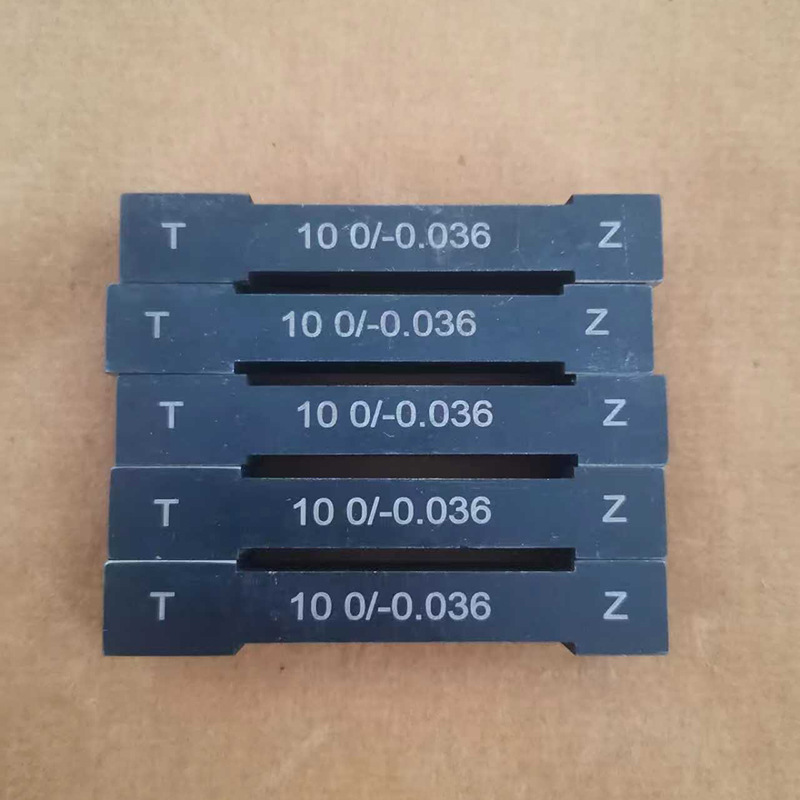
The Importance of Welding Inspection Rulers in Quality Control Welding is a critical process in nume

welding table heavy duty
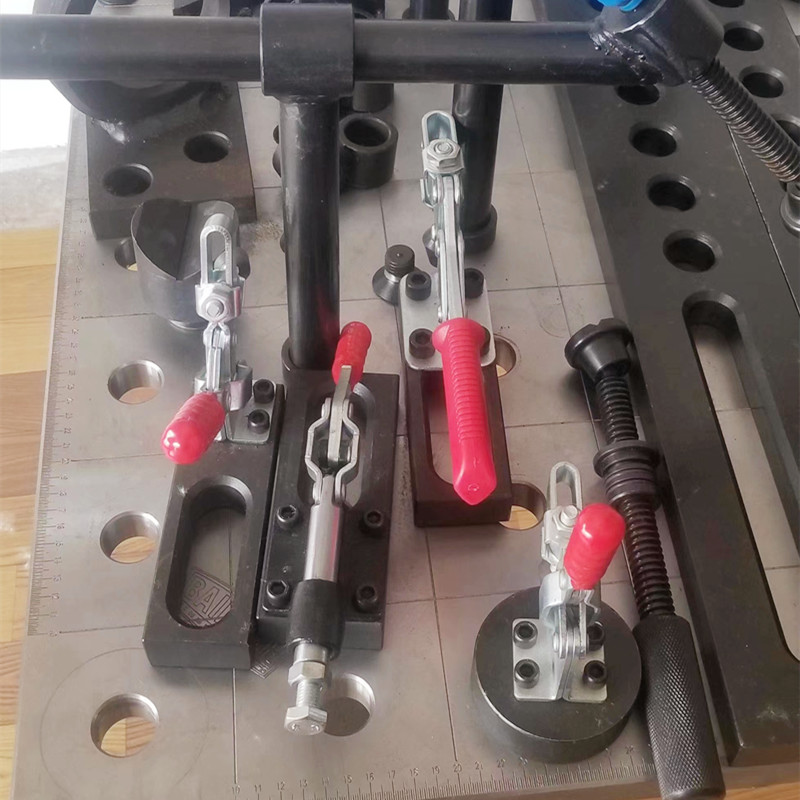
Heavy Duty Welding Tables The Backbone of Metal Fabrication Welding is an essential process in metal
 English